
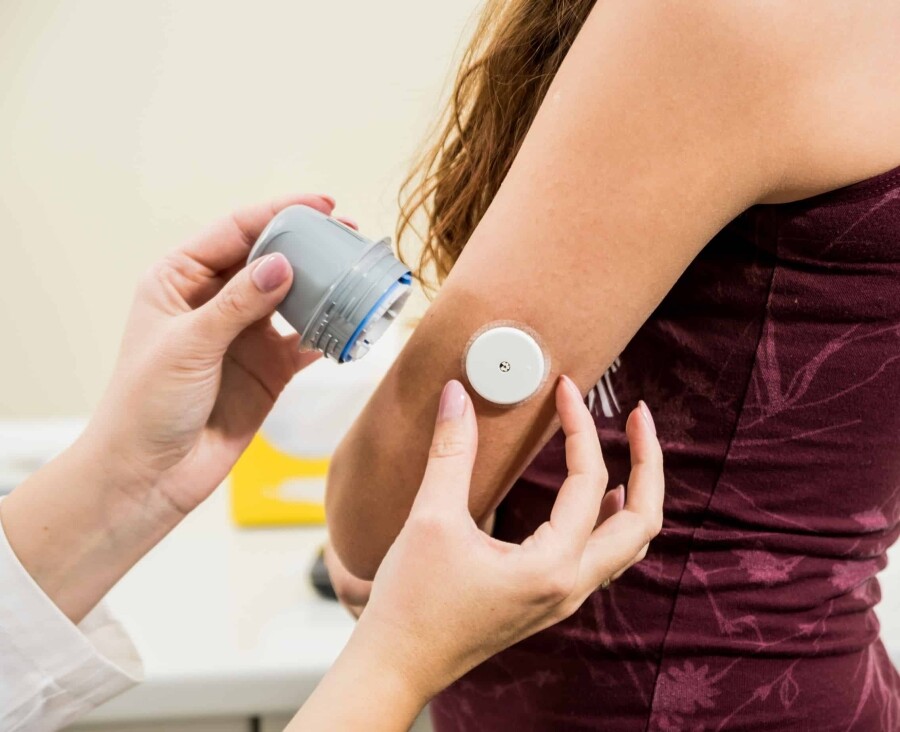
Continuous glucose monitors (CGMs) have made it easier than ever to track blood sugar levels in real time.
In fact, Afon Technology’s ‘Living with Diabetes Survey 2025” found that nearly two-thirds of people living with diabetes report using CGM technology. However, for some users, there’s one frustrating question that keeps coming up:
Why does my CGM hurt?
If you’ve noticed discomfort, soreness, or irritation after inserting your sensor, that’s something to address. While CGMs are designed to be minimally invasive and comfortable, CGM pain can happen for a variety of reasons, especially during the first few uses.
Let’s break down why your CGM might be hurting, what’s considered normal, and how you can reduce discomfort moving forward.
Does Dexcom Hurt (and Should It)?
For most people, CGM insertion feels like a quick pinch or slight pressure that fades quickly. Those using the Dexcom Continuous Glucose Monitoring device tend to report little to no pain during daily use.
However, some users experience lingering discomfort, especially in the hours or days after insertion.
If your CGM hurts more than expected, it doesn’t necessarily mean something is wrong, but it is worth understanding the cause.
Why Does My CGM Hurt?
There are several reasons you may be experiencing CGM pain, and most are manageable with small adjustments.
1. Sensor Placement Matters
Where you insert your CGM plays a major role in how it feels.
If you’re placing the sensor in an area with:
- Less body fat
- More muscle
- Higher movement (like your arm or abdomen)
…it can lead to pain in the arm or other sensitive areas. So, if your CGM hurts consistently in one spot, try rotating to a different approved site with more cushioning.
2. Hitting a Sensitive Area
Even when inserted correctly, the sensor can occasionally land near:
- A nerve
- A blood vessel
- A particularly sensitive patch of tissue
This can cause sharp or lingering CGM pain, especially right after insertion.
3. Insertion Technique
If the applicator isn’t pressed firmly or is angled incorrectly, it may cause:
- Uneven insertion
- Increased irritation
- A sensor that feels “off”
4. Skin Irritation or Reaction
Some users experience irritation from:
- Adhesives
- Sweat buildup
- Friction from movement
This can lead to redness, itching, or a burning sensation that feels like ongoing pain rather than insertion discomfort.
5. Movement and Daily Activity
Your CGM sits just under the skin, so frequent movement, especially in active areas like the upper arm, can make it feel sore. This is why CGM pain in the arm is a frequent complaint, particularly for active individuals.
Is It Normal If My CGM Hurts?
Mild discomfort is normal, especially:
- Right after insertion
- During the first 24 hours
- When trying a new site
However, your CGM shouldn’t cause severe or worsening pain. If your CGM hurts continuously, feels sharp, or interferes with daily activities, it may be time to remove it and try a new sensor.
How to Reduce CGM Pain
If you’re dealing with pain, here are a few ways to make the CGM use experience more comfortable:
Rotate Your Sites
Avoid inserting your CGM in the same spot repeatedly. This helps prevent irritation and sensitivity buildup.
Choose the Right Location
If you’re experiencing CGM pain in the arm, consider switching to another approved site with more padding.
Relax During Insertion
Tension in your muscles can make insertion feel worse. Try to stay relaxed and avoid flexing.
Keep Skin Clean and Dry
This reduces irritation and helps the adhesive sit properly without causing discomfort.
Use Barrier Products if Needed
If adhesives are causing irritation, barrier wipes or patches can help reduce skin sensitivity.
When to Talk to Your Doctor About Your CGM
While occasional discomfort is expected, you should reach out to your healthcare provider if:
- Your CGM hurts intensely or suddenly worsens
- You notice swelling, warmth, or signs of infection
- Pain doesn’t improve after removing the sensor
In some cases, persistent CGM pain may point to an issue with how your body is reacting to the sensor or where it’s being placed. A provider can help you determine whether a different insertion site, technique, or device adjustment may reduce discomfort.
If you continue to experience discomfort, even after making changes, it’s worth getting guidance to avoid ongoing irritation and stay consistent with your glucose monitoring.
Finding the Right Balance for Your Health
In most cases, CGM discomfort comes down to placement, technique, or sensitivity in the area. The good news is that small adjustments can make a big difference.
A CGM should support your health, not distract from it. If your CGM hurts, don’t ignore it. Listen to your body, make adjustments, and don’t hesitate to try a new site or approach.
Need Help Affording Your CGM or Diabetes Medications?
Managing diabetes shouldn’t come with added financial stress. At Prescription Hope, we help individuals access medications at a set, affordable monthly cost, without the confusion of traditional insurance barriers.
If you rely on a CGM or related prescriptions, see how Prescription Hope can help you stay consistent with your care. Get started today.
