
Do you feel exhausted most days? How about struggles with depression? Or maybe difficulty with losing weight? These symptoms may be caused by plenty of different factors. However, many people find out that the cause of their symptoms is hypothyroidism. While plenty of factors cause hypothyroidism, Hashimoto’s disease remains the most common cause among adults.
We at Prescription Hope want to help you in your journey with Hashimoto’s disease. We desire to provide you with knowledge, resources, and support in dealing with the condition. Thankfully, Hashimoto’s disease and hypothyroidism regulation may be as simple as $70.00 per month!
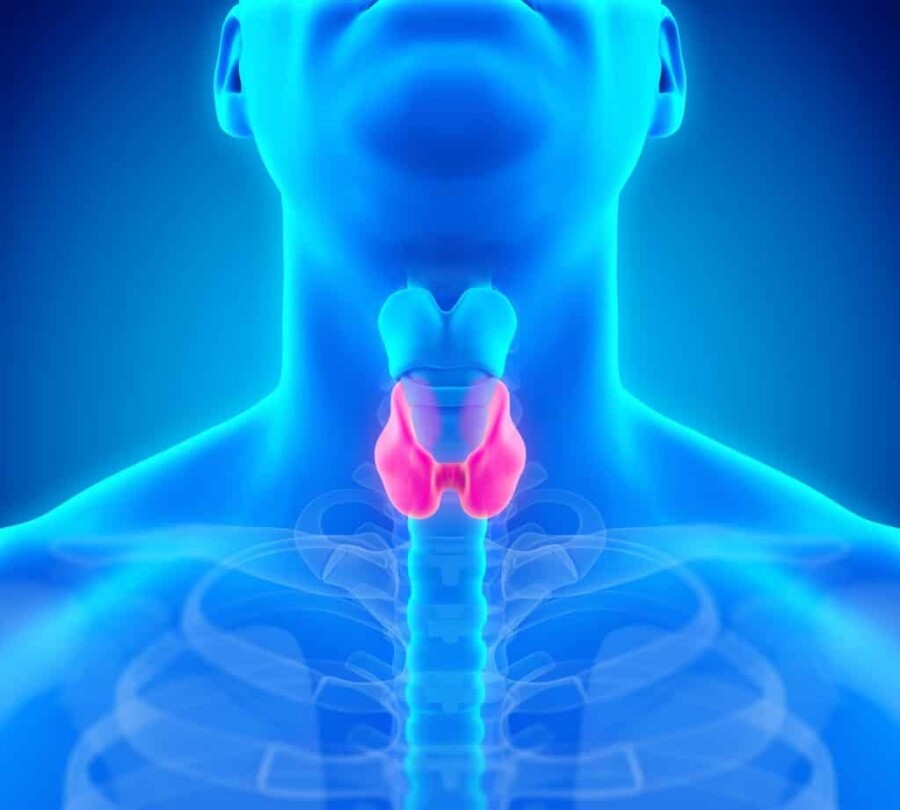
What is Hashimoto’s Disease?
Hashimoto’s disease occurs when the immune system attacks the thyroid gland. Our immune systems provide powerful defenses against sickness, problematic cells, and other issues inside the body. However, the body sometimes turns against otherwise healthy cells. Doctors call this condition an autoimmune disease.
Various autoimmune diseases exist. Each one attacks a different part of the body.
In Hashimoto’s disease, the immune system of the body attacks the thyroid gland. The thyroid gland provides thyroid hormone which signals the energy systems in the body. Things such as heart rate, metabolism, energy levels, and more are all regulated by thyroid hormone. Even the speed of digestion is controlled by thyroid hormone.
When the immune system attacks the thyroid gland, antibodies called thyroid peroxidase (TPO) and thyroglobulin (Tg) cause inflammation in the thyroid gland. Eventually, the tissue of the thyroid gland becomes damaged. This causes the thyroid gland to struggle to produce proper amounts of thyroid hormone (T3 and T4).
This means Hashimoto’s disease results in hypothyroidism. While hypothyroidism may be caused by other factors, Hashimoto’s disease remains the most common cause. Those suffering from hypothyroidism benefit from getting tested to determine whether their condition is caused by an autoimmune disorder.
What Causes Hashimoto’s Disease?
Doctors have not discovered a single direct cause of Hashimoto’s disease. However, a few causes are linked to Hashimoto’s disease:
- Vitamin deficiencies
- Mineral deficiencies
- Genetics
- Radiation
- Prior illness from a virus or bacteria
- Stress
- Excessive iodine
While none of these necessarily cause Hashimoto’s from a single event, prolonged or excessive exposure to one of these factors may increase the risk of sparking Hashimoto’s disease.
What are the Symptoms of Hashimoto’s Disease?
Since Hashimoto’s disease causes hypothyroidism, the symptoms are the same. Symptoms may take years to fully develop, making diagnosis more difficult. Also, the symptoms of Hashimoto’s disease/hypothyroidism mimic those of many other conditions.
Symptoms of Hashimoto’s disease may include:
- Low energy
- Slowed heart rate
- Muscle weakness or aches
- Depression
- Trouble concentrating or remembering
- Weight gain
- Fatigue
If you or a loved one have been exhibiting these symptoms, then it is best to get checked out immediately by a doctor. Factors such as poor diet or stress may be the root cause, but testing for hypothyroidism and Hashimoto’s disease remains important. Health risks and lower quality of life grow the longer a person deals with hypothyroidism.
How to Test for Hashimoto’s Disease
If your doctor suspects Hashimoto’s disease, they will order a blood test.
A blood test for hypothyroidism focuses on a few things. The first signal on a blood test may be found with your TSH levels. Thyroid-stimulating hormone (TSH) comes from the pituitary gland. When the pituitary gland recognizes that the body needs more thyroid hormone, it produces TSH to signal the thyroid gland. This signal ramps up the production of T3 and T4 by the thyroid gland.
In a person with hypothyroidism, TSH levels are elevated while T4 levels are low. Because of a thyroid gland not working properly, the pituitary gland continues to request more T4 even though the thyroid gland struggles to keep up.
With Hashimoto’s disease, not only are TSH levels raised with T4 low, but TPO and Tg levels remain elevated. This indicates that the immune system is attacking the thyroid gland and limiting the production of T4.
Many times, other markers may be present. Things such as vitamin D deficiency, low levels of selenium, or zinc deficiency may show up on the blood test.
If you suffer from these symptoms, see your doctor as soon as possible. A simple blood test can confirm or rule out hypothyroidism.
How to Treat Hashimoto’s Disease
Currently, no cure for Hashimoto’s disease exists. However, if a doctor determines a patient suffers from the condition, they most often prescribe levothyroxine. While a thyroid suffering from Hashimoto’s disease cannot produce enough T4 for the body’s energy systems, a synthetic T4 easily replaces what is lost. This means levothyroxine is a synthetic replacement for T4 in the patient’s body.
The T4 then gets converted to T3 by the liver, providing the necessary hormone to keep the energy systems operating properly.
Levothyroxine often comes as a small pill, which patients take daily. Doctors recommend taking the pill on an empty stomach in the morning, at least 30-45 minutes before eating.
Can Diet Help My Hashimoto’s Disease?
Research suggests that, yes, diet may help alleviate the symptoms caused by Hashimoto’s disease. A wide range of diets may be suggested to patients who suffer from the condition, though a single agreed-upon diet has not been officially recommended. Some of the suggested diets may include:
- Gluten-free
- Dairy-free
- Paleo
- Sugar-free
- Autoimmune modified paleo
- Low glycemic index diet
Diets such as these have been recommended due to clinical evidence showing some benefits. Most of the benefits trace back to a belief that certain foods cause inflammation or spark the immune response attached to Hashimoto’s disease.
A systematic review presented in the National Library of Medicine points to positive results when removing gluten, lactose, or goitrogens. The studies seem to suggest that the removal of these items provided an improvement in antibody levels. Those antibodies that result from Hashimoto’s disease attack TSH, free T4, and peroxidase.
Evidence suggests that the gut biome also plays a role in the function of thyroid hormone production and release. This means that certain foods may cause issues in the gut or intestinal tract, creating problems with thyroid production and regulation.
Studies also show a connection between inflammation and depression. Due to this connection, reducing chronic low-grade inflammation may help relieve symptoms of depression commonly associated with Hashimoto’s disease.
Will Vitamins Help My Hashimoto’s Disease?
Yes. Other recommendations show that vitamins and minerals may provide an improvement in inflammation, symptoms of Hashimoto’s disease, and even improve thyroid production.

Vitamins A, B, C, and D provide positive results as candidates to help those with Hashimoto’s disease take control of their condition.
Doctors are also paying particular attention to Vitamin D and its benefits. Articles in the National Library of Medicine point to vitamin D helping to control the immune response of the body, improve thyroid function, and may even play a role in the prevention and management of Hashimoto’s disease. Doctors and experts are also drawing more links to vitamin D deficiency and the occurrences of Hashimoto’s disease.
Vitamin D helps in regulating the presence of immune cells, supports a healthy immune response, and decreases an inflammatory environment.
When vitamin D supply is inadequate, the immune system may produce more inflammatory cells than needed. Having enough vitamin D helps provide a proper balance between anti-inflammatory cells and inflammatory cells.
Not only that but studies also show a link between vitamin D deficiency and thyroid antibodies. And if that were not enough, vitamin D also helps in the production of anti-inflammatory cytokines.
Those with Hashimoto’s disease as well as those who are at risk may benefit from vitamin D supplementation if they are deficient. Knowing whether you are vitamin D deficient is as simple as taking a blood test. Considering at least 40% of Americans are deficient in vitamin D, everybody should get their vitamin D levels checked.
While a person may take supplements to improve their vitamin D levels, getting enough sunshine is also a powerful method. The benefits of being outside and active go beyond just vitamin D levels, however, sunlight remains one of the most important methods.
Will Minerals Help My Hashimoto’s Disease?
Certain minerals play a vital role in keeping the immune system functioning properly.
Zinc
Zinc helps in keeping the immune system balanced. It also helps keep certain lymphocytes controlled. These specific lymphocytes raise the risk of an autoimmune disease.
Not only that, but zinc helps lower inflammation and oxidative stress. By doing so, zinc helps slow down Hashimoto’s disease.
Certain symptoms of low levels of zinc include:
- Thinning hair
- Decreased appetite
- Moodiness
- Diarrhea
Selenium
Selenium plays a pivotal role in the proper function of the thyroid. Not only does the thyroid have the highest concentration of selenium per gram in the body, but it has a big job in helping convert T3 to T4. Several studies show that supplementing with selenium helped not only to protect against thyroid tissue damage but also helped prevent the progression of Hashimoto’s disease. Recommendations include making selenium a useful supplementation for those who suffer from Hashimoto’s disease.
The symptoms of low levels of selenium mimic those of Hashimoto’s disease, zinc deficiency, and vitamin D deficiency include:
- Muscle weakness
- Fatigue
- Hair loss
- and more
Evidence may back the importance of diet and supplementation. But neither are enough. Levothyroxine remains the number one treatment for Hashimoto’s disease.
How to Get Levothyroxine
Those who purchase levothyroxine, whether through insurance, rebate programs, Medicare, or out-of-pocket, often deal with high costs and strain on their budget. Considering the importance of this medication, nobody should have to choose between their prescription medications or their bills.
Instead, finding affordable options or low-cost drugs could be the difference between having what you need or not being able to provide support to a loved one.
While various programs exist to help those with needs for medications, such programs are often messy and complex. People seek out rebates and government programs but find themselves buried in paperwork and phone calls. Many prescription assistance programs come with complex variables. Unfortunately, people get lost and confused trying to find affordable hypothyroidism medication.
At Prescription Hope, we offer an affordable and simple process to get affordable meds every month.
How It Works
Those who wish to apply can visit PrescriptionHope.com. After becoming familiar with what Prescription Hope offers, you are welcome to complete and submit an online enrollment form. Once you submit the enrollment, Prescription Hope can pre-qualify you as soon as we determine we can assist based on the information provided.
After we receive all the requested paperwork from you and your healthcare provider, the first order of medication often arrives within 2 to 4 weeks. We will then place refills ahead of time so that you receive your medication on a regular schedule.
Medications typically arrive in a 90-day supply, directly to your home or healthcare provider’s office, depending on the requirements of the pharmaceutical company that ships your medication.
Prescription Hope’s Mission is to Help You Get Levothyroxine
Prescription Hope dedicates itself to helping those with hypothyroidism get the affordable meds they need at a reasonable monthly rate. We know levothyroxine provides vital, lifesaving regulation of thyroid hormone for a person with hypothyroidism, but we also know the expenses. Our desire for every member is to live without the stress and worry of paying too much for their prescriptions. We refuse to believe anybody should have to choose between levothyroxine or costs of living.
We provide a simple, consistent monthly rate of $70.00 per medication for over 1,500 medications. This means that not just people with hypothyroidism can benefit from what we offer. Our heart is to help you get access to affordable prescription medications.
If you or a loved one have been diagnosed with hypothyroidism and are looking for cost savings on drugs or affordable thyroid medications, then please visit us at www.PrescriptionHope.com to learn more about how we can save you money every month!
