
Plenty of us feel tired, have low-energy, and struggle with weight gain. However, what if those symptoms pointed to something more serious than a busy week and poor eating? Hypothyroidism may be the cause of such subtle symptoms. We at Prescription Hope want to provide you with knowledge, resources, and support to help combat hypothyroidism in your life.
Unfortunately, hypothyroidism affects the thyroid gland and is a lifelong condition. Whereas the condition may not be curable, that does not mean that taking medication cannot provide a person with hypothyroidism a full and productive life.
What is the Thyroid?
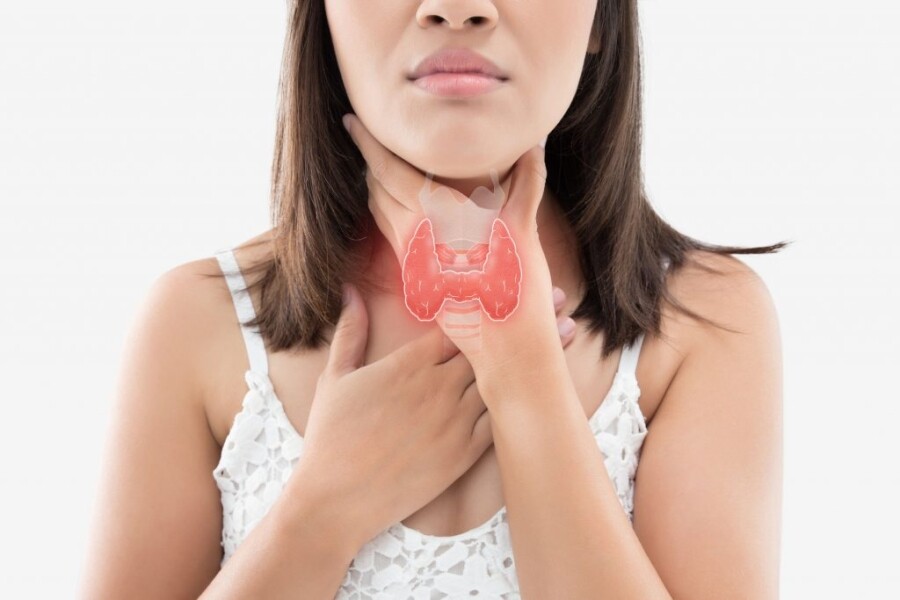
The thyroid sits in the front of your neck and regulates how your body controls and uses energy. The small, butterfly-shaped gland produces two main hormones: triiodothyronine (T3) and thyroxine (T4). When T4 is released, it is inactive, which means the chemical does not affect your body’s systems. The liver and kidneys receive the T4 and convert it into T3. From there, the cells in your body receive the T3, which signals the cells to become active.
The thyroid gland is part of a hormonal system that includes the hypothalamus and pituitary gland. The hypothalamus releases thyroid-releasing hormone (TRH) which tells the pituitary gland to produce thyroid-stimulating hormone (TSH). The release of TSH tells the thyroid to ramp up production of T4 and T3. From there, thyroid hormones affect every cell in the body.
Thyroid hormone plays a role in the entire body. It:
- Regulates energy use
- Controls heart rate
- Maintains body temperature
- Controls speed of digestion
- Plays a role in brain development
- Aids in muscle contraction
- Handles the speed with which your body replaces dying cells
Thus, the thyroid gland’s production of hormones is critical to a healthy body. The regulation of metabolism means energy levels, digestion, and vital systems in the body all rely on the thyroid. When the thyroid cannot properly regulate hormone production, the body’s metabolism and energy systems are affected. Unfortunately, this may become dangerous for a person suffering from an improperly functioning thyroid.
What is Hypothyroidism?
A healthy thyroid produces thyroid hormone, releases them, and continues to replace what was used. It receives signals from the pituitary gland and regulates the levels of T3 and T4 released into the body.
Hypothyroidism refers to a condition in which the thyroid gland does not make enough thyroid hormone. When the thyroid gland does not produce enough thyroid hormone, the body may start to slow down. After all, the lack of useful T4 ultimately affects every cell in the body.
The condition affects people of every group. Currently, about 1 in 300 people in America have been diagnosed with the condition. In fact, more than 12% of America’s population will deal with a thyroid condition during their lifetime.
While hypothyroidism commonly affects any group of people, women over 60 are particularly at risk for the condition.
What Causes Hypothyroidism?
Doctors provide two categories when discussing the causes of hypothyroidism. A primary cause affects the thyroid gland directly and inhibits hormone production. A secondary cause indirectly impacts thyroid hormone production, such as a failure in the pituitary gland.
Most often, hypothyroidism results from a primary cause. One of the biggest causes of hypothyroidism is called Hashimoto’s disease. Other names for Hashimoto’s disease include Hashimoto’s thyroiditis or chronic lymphocytic thyroiditis. Currently, an estimated 14 million Americans are affected by Hashimoto’s disease.
Simply put, Hashimoto’s disease is an autoimmune disease. This means a body’s immune system attacks the thyroid gland and causes damage over the long term. The immune system attacks the cells in the thyroid gland, which leads to inflammation.
A diagnosis of Hashimoto’s disease most often comes from a physical exam, medical history tests to determine genetic risk, and blood tests to observe hormone levels. This means early detection can help mitigate the risk of heart disease and complications arising from slower-than-normal organ functions.
Other primary causes include:
- Inflammation of the thyroid
- Radiation or surgical treatment of the thyroid
- Iodine deficiency
- Viral illness
- Pregnancy complications
What is the Difference Between Hypothyroidism and Hyperthyroidism?
Remember, hypo refers to “beneath” or “below” whereas hyper refers to “over” or “above”. When doctors refer to hypothyroidism, they define thyroid hormone production as being below the normal amounts in the body. Hyperthyroidism on the other hand refers to being over the normal range of thyroid hormone in the body.
When testing for hyperthyroidism, doctors still look to blood tests to make their determination. If T4 levels are high while TSH levels are low, a person will most likely receive a diagnosis of hyperthyroidism.
Unlike hypothyroidism, a person suffering from hyperthyroidism may experience the following symptoms:
- Weight loss
- Increased appetite
- rapid or irregular heartbeat
- Anxiety
- Sleeplessness
- Sweating or trouble with heat
- Nervousness
- Shaky hands
- Muscle weakness
- Frequent bowel movements
Graves’ disease stands as one of the most common causes of hyperthyroidism in Americans today. Much like Hashimoto’s disease in those with hypothyroidism, Graves’ disease is an autoimmune disease that attacks the thyroid gland. However, while Hashimoto’s disease inhibits thyroid hormone production, Graves’ disease results in an increase in thyroid production despite low levels of TSH coming from the pituitary gland.
What are the Symptoms of Hypothyroidism?
Even though a person may have hypothyroidism at an early age, symptoms tend to be slow in showing up. This may make the condition hard to notice at first. Some people may take years to begin exhibiting the signs of hypothyroidism.

While symptoms vary from person to person, some of them may include:
- Fatigue
- Hoarse voice
- Slow pulse
- Joint and/or muscle pain
- Weight gain
- Weakness
- Dry, thinning hair
- Dry skin
- Depression
- Heavy or irregular menstrual cycles
- Fertility issues in women
- Decrease in libido
As the condition worsens, the symptoms also get worse. Unfortunately, the symptoms mimic other conditions. Regular blood tests provide clarity when determining whether the condition is hypothyroidism or something else.
Can Hypothyroidism Become Serious?
In short, yes.
When a person sustains extremely low thyroid levels, they may begin suffering from myxedema. Symptoms include swelling and thickening of the skin. However, the name “myxedema” can mean that the patient has a severely advanced hypothyroidism. When a person suffers from severely advanced hypothyroidism, they may be in danger of a myxedema crisis. This condition causes life-threatening symptoms such as:
- Anemia
- Heart failure
- Coma
- Low body temperature
- Low blood oxygen levels
- Shock
- Confusion
- High blood carbon dioxide levels
Other symptoms present during myxedema include:
- Goiter (enlarged thyroid gland)
- High diastolic blood pressure with low systolic blood pressure
- Depression
- Cold intolerance
- Lethargy
- Low heart rate
A myxedema crisis is dangerous. Without rapid diagnosis and treatment, a myxedema crisis often becomes fatal. Mortality rates in a myxedema crisis range from 25 to 60 percent. Sadly, this includes receiving treatment.
When a doctor suspects myxedema, they will run blood tests. If a myxedema crisis is confirmed, the patient is moved to the ICU where they are treated for the condition with thyroid hormone replacement, steroids, and any other medications needed. Once the patient’s T4 levels return to a normal range, the patient begins taking medications such as levothyroxine to maintain proper T4 levels. Over the course of the next few weeks, symptoms may become more manageable for the patient.
Oftentimes, people who suffer from a myxedema crisis ignore the symptoms of hypothyroidism for a long time. Recognizing symptoms such as thinning hair, low energy, weight gain, and more can prevent a person from suffering from a myxedema crisis.
The danger of a myxedema crisis is too great. If you or a loved one is experiencing symptoms of hypothyroidism, then it is vital to get tested as soon as possible.
How Hypothyroidism is Diagnosed
Since the symptoms of hypothyroidism often appear with other conditions, doctors will order a blood test. Symptoms can mimic those of many other issues, such as stress or poor diet. Accordingly, Doctors typically use a thyroid-stimulating hormone (TSH) test to determine whether the patient’s thyroid is healthy or not.
This is done by measuring the amount of TSH released by the pituitary gland. Consequently, If TSH levels are high, then it means the body wants the thyroid to produce more T4 hormone. If high TSH levels are coupled with low levels of T4, then doctors conclude that the patient has hypothyroidism.
Finally, a doctor may order more blood tests to determine whether a person’s hypothyroidism is a result of Hashimoto’s disease or another cause.
How is Hypothyroidism Treated?
Thankfully, hypothyroidism can be treated with simple medication and observation. Once a doctor determines that a patient has the condition, they often prescribe them some form of levothyroxine. With more than 89 million prescriptions, levothyroxine is considered the third most commonly prescribed medication in America.
Levothyroxine is a synthetic form of thyroid hormone, which replaces the lack of the body’s naturally produced T4.
Most times, levothyroxine comes in a small pill and is taken daily. The simple regimen of taking a pill once a day in the morning is followed for a lifetime. Often, doctors recommend taking the pill during the morning, at least 30 to 45 minutes before eating anything. This ensures proper absorption into the body.
Unfortunately, while management of the condition is common, no cure exists.

How to Get Levothyroxine
Those who purchase levothyroxine, whether through insurance, rebate programs, Medicare, or out-of-pocket, often deal with high costs and strain on their budget. Considering the importance of this medication, nobody should have to choose between their prescription medications or their bills.
Instead, finding affordable options or low-cost drugs could be the difference between having what you need or not being able to provide support to a loved one.
While various programs exist to help those with needs for medications, such programs are often messy and complex. People seek out rebates and government programs but find themselves buried in paperwork and phone calls. Many prescription assistance programs come with complex variables. Unfortunately, people struggle to find affordable hypothyroidism medication.
At Prescription Hope, we offer an affordable and simple process to get affordable meds every month.
How It Works
Those who wish to apply can visit PrescriptionHope.com. After becoming familiar with what Prescription Hope offers, you are welcome to complete and submit an online enrollment form. Once you submit the enrollment, Prescription Hope can pre-qualify you as soon as we determine we can assist based on the information provided.
After we receive all the requested paperwork from you and your healthcare provider, the first order of medication often arrives within 2 to 4 weeks. We will then place refills ahead of time so that you receive your medication on a regular schedule.
Medications typically arrive in a 90-day supply, directly to your home or healthcare provider’s office, depending on the requirements of the pharmaceutical company that ships your medication.
Prescription Hope’s Mission is to Help You Get Levothyroxine
Prescription Hope dedicates itself to helping those with hypothyroidism get the affordable meds they need at a reasonable monthly rate. We know levothyroxine provides vital, lifesaving regulation of thyroid hormone for a person with hypothyroidism, but we also know the expenses. Here at Prescription Hope, we desire every member to live without the stress and worry of paying too much for their prescriptions. We refuse to believe anybody should have to choose between levothyroxine or costs of living.
We provide a simple, consistent monthly rate of $70.00 per medication for over 1,500 medications. This means that not just people with hypothyroidism can benefit from what we offer. Our heart is to help you get access to affordable prescription medications.
If you or a loved one have been diagnosed with hypothyroidism and are looking for cost savings on drugs or affordable thyroid medications, then please visit us at www.PrescriptionHope.com to learn more about how we can save you money every month!
