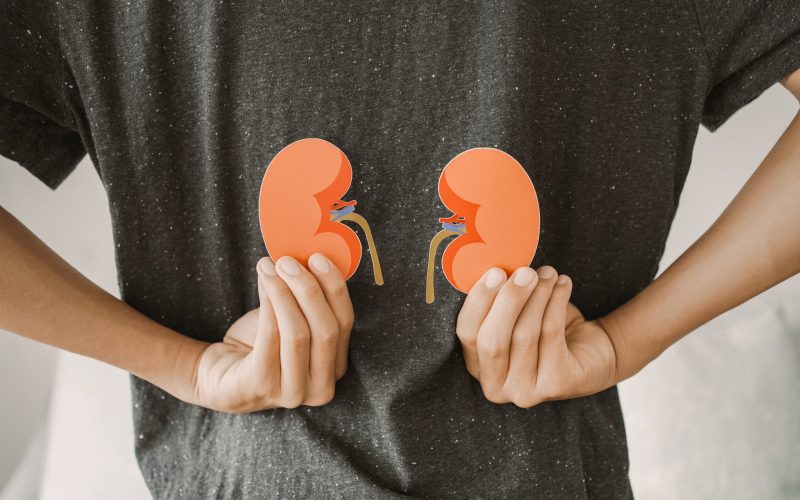
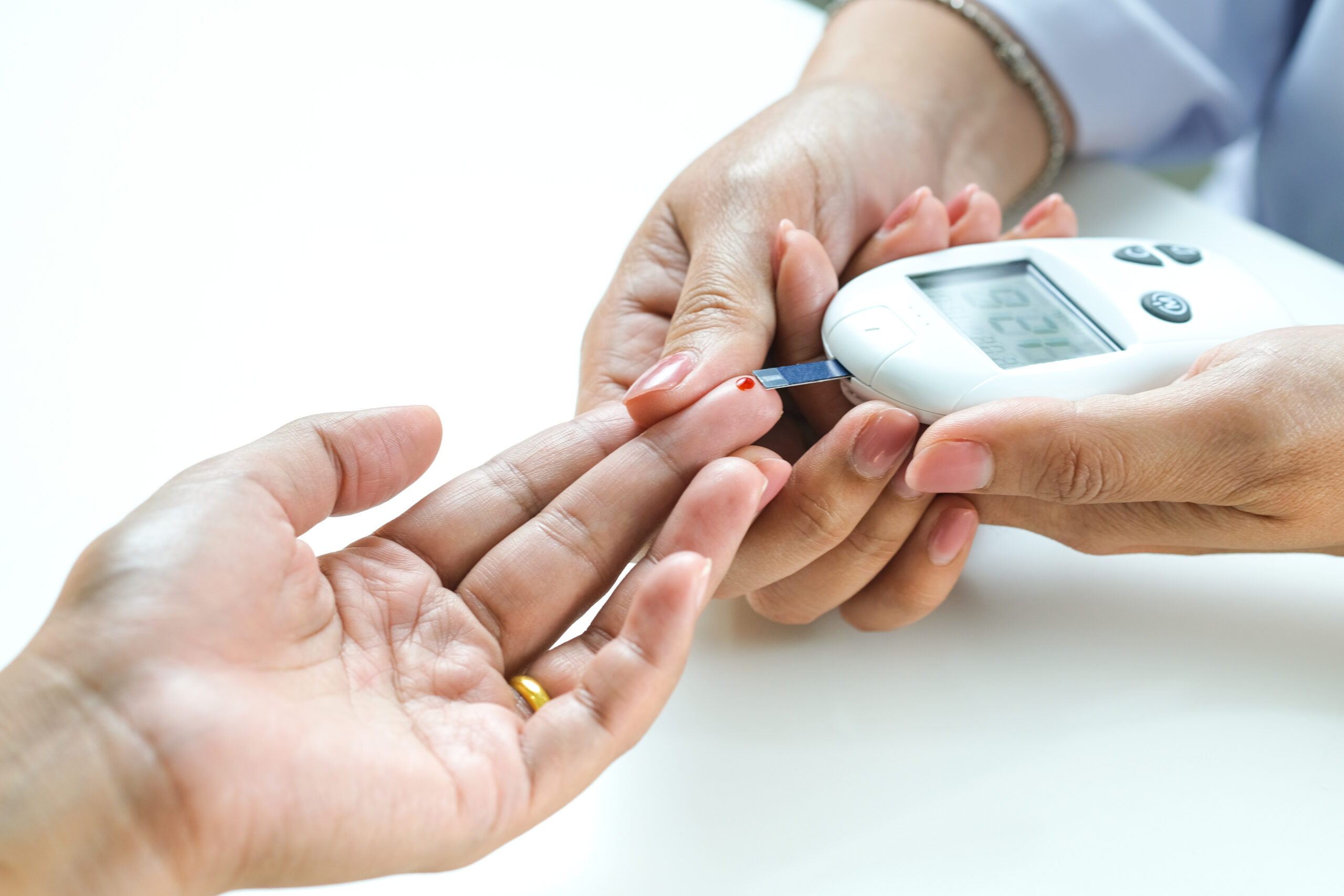
Type 2 diabetes is a chronic condition that affects how the body processes glucose, or blood sugar. Over time, elevated blood sugar levels can increase the risk of serious health complications involving the heart, kidneys, nerves, and eyes. Maintaining stable glucose levels is an important part of long-term diabetes management.
For many people, lifestyle changes such as diet and exercise are essential first steps. However, some patients may still need medication to help achieve healthy blood sugar control. Januvia diabetes treatment is one option commonly prescribed when additional support is needed.
Januvia, also known by its generic name sitagliptin, is an oral medication used to help improve blood sugar levels in adults with type 2 diabetes. It is often prescribed alone or in combination with other oral diabetes drugs when first-line therapies are not enough on their own.
This article explains how Januvia works, who may benefit from it, how it compares with metformin, possible Januvia side effects, and what patients should know about long-term use.
What Is Januvia and What Is It Used For?
Januvia is the brand name for sitagliptin, a prescription medication used to improve blood sugar control in adults with type 2 diabetes.
Sitagliptin belongs to a class of medications called DPP-4 inhibitors. These medications help regulate blood sugar by affecting hormones involved in insulin production and glucose control after meals.
The primary purpose of Januvia diabetes treatment is to help lower blood sugar levels when diet and exercise alone are not sufficient. Doctors may prescribe it:
- As a standalone medication
- Alongside metformin
- With insulin
- In combination with other oral diabetes drugs
Unlike some diabetes medications, Januvia works in a glucose-dependent way, meaning it mainly increases insulin activity when blood sugar levels are elevated.
For patients wondering what Januvia is used for, the medication is designed specifically for long-term blood sugar management in type 2 diabetes.
How Januvia Works to Lower Blood Sugar
Sitagliptin works by inhibiting an enzyme called DPP-4 (dipeptidyl peptidase-4).
This enzyme normally breaks down incretin hormones such as GLP-1 and GIP. Incretin hormones help regulate blood sugar after eating by supporting insulin release and reducing excess glucose production.
By blocking DPP-4 activity, Januvia helps increase incretin hormone levels in the body. This may help:
- Increase insulin release when blood sugar is high
- Reduce glucagon production by the liver
- Improve post-meal blood sugar control
One advantage of Januvia diabetes treatment is that it generally works only when glucose levels are elevated. Because of this, the risk of low blood sugar may be lower when Januvia is used alone compared with some other type 2 diabetes medication options.
However, the risk of hypoglycemia may increase when Januvia is combined with insulin or certain other diabetes drugs.
Who Should Take Januvia?
Januvia is approved for adults with type 2 diabetes who need additional blood sugar control beyond diet and exercise.
Doctors may prescribe sitagliptin for patients who:
- Have not reached glucose goals with lifestyle changes alone
- Need additional support beyond metformin
- Cannot tolerate certain other diabetes medications
- Require combination therapy
Januvia is not used to treat type 1 diabetes.
In many treatment plans, metformin remains the preferred first-line medication. However, some patients may need additional blood sugar control medication if glucose levels remain elevated despite ongoing treatment.
Healthcare providers determine whether Januvia is appropriate based on factors such as:
- Blood sugar levels
- Kidney function
- Other medications
- Overall health
- Risk of side effects
How Should Januvia Be Taken?
Januvia is an oral tablet typically taken once daily.
Patients can usually take the medication with or without food, although taking it at the same time each day may help maintain consistency and improve adherence.
Doctors may adjust the dose in patients with kidney disease because sitagliptin is processed through the kidneys. Kidney function testing is often performed before and during treatment.
Patients should follow their healthcare provider’s instructions carefully and avoid changing the dosage without medical guidance.
Missing doses regularly may reduce the effectiveness of blood sugar control medication and increase the risk of uncontrolled glucose levels over time.
How Quickly Does Januvia Start Working?
Januvia begins working after the first doses, but full blood sugar improvement may take several weeks.
Blood sugar control develops gradually as the medication becomes part of an ongoing diabetes management plan.
Patients may notice improvements in:
- Fasting glucose levels
- Post-meal blood sugar
- Hemoglobin A1C results over time
Like most oral diabetes drugs, Januvia works best when combined with healthy lifestyle habits such as:
- Balanced nutrition
- Regular physical activity
- Weight management
- Routine glucose monitoring
Doctors often monitor blood sugar trends periodically to evaluate how well the medication is working.
Januvia vs Metformin
When discussing Januvia vs metformin, it is important to understand that the two medications work differently.
Metformin is generally considered the first-line therapy for type 2 diabetes medication management because it reduces glucose production in the liver and improves insulin sensitivity.
Januvia, on the other hand, works by increasing incretin hormone activity and improving insulin release after meals.
Some key differences include:
Mechanism of Action
- Metformin reduces liver glucose production
- Sitagliptin enhances incretin hormone activity
Weight Effects
- Metformin may support modest weight reduction in some patients
- Januvia is generally considered weight-neutral
Side Effects
- Metformin commonly causes digestive side effects
- Januvia side effects may include headache or nasal congestion
Doctors may prescribe Januvia instead of metformin if patients cannot tolerate metformin or if additional blood sugar control is needed.
In many cases, the medications are used together because their mechanisms complement one another.
Can Januvia Be Used With Other Diabetes Medications?
Yes, Januvia is often combined with other diabetes medications as part of a comprehensive treatment plan.
Combination therapy may include:
- Metformin
- Insulin
- Sulfonylureas
- Other oral diabetes drugs
Using medications with different mechanisms may improve blood sugar control more effectively than using one medication alone.
Healthcare providers carefully evaluate treatment combinations to avoid overlapping effects and reduce the risk of complications such as hypoglycemia.
Patients using multiple diabetes medications may require additional glucose monitoring to ensure safe treatment adjustments.
Januvia Side Effects
Like all medications, Januvia can cause side effects. Many side effects are mild, but some may require medical attention.
Common Januvia side effects include:
- Headache
- Nasal congestion
- Upper respiratory symptoms
- Mild digestive discomfort
More serious side effects, although less common, may include:
- Pancreatitis
- Severe joint pain
- Allergic reactions
- Kidney-related complications
Symptoms such as severe abdominal pain, swelling, difficulty breathing, or rash should be evaluated immediately.
Patients should also inform their healthcare provider about any unusual or persistent symptoms during treatment.
Routine monitoring helps reduce risks and supports long-term safety.
Is Januvia Safe for Long-Term Use?
Januvia is commonly used for long-term type 2 diabetes management.
Clinical studies support its long-term safety profile when used appropriately under medical supervision. However, ongoing monitoring remains important because diabetes itself can affect multiple organ systems over time.
Doctors may periodically evaluate:
- Kidney function
- Blood sugar control
- Medication effectiveness
- Potential side effects
Routine checkups are an important part of long-term diabetes care, even when blood sugar appears stable.
Patients should continue lifestyle modifications alongside medication therapy to improve long-term outcomes.
What to Avoid While Taking Januvia
Patients taking Januvia should avoid:
- Missing doses regularly
- Adjusting medication doses without medical advice
- Ignoring blood sugar monitoring recommendations
- Excessive alcohol intake that may affect glucose levels
It is also important to inform healthcare providers about all prescription medications, supplements, and over-the-counter products being used.
Certain medical conditions or medications may affect diabetes management and medication safety.
Patients should contact their healthcare provider if blood sugar remains uncontrolled or if new symptoms develop.
Daily Management Tips for Type 2 Diabetes
Medication is only one part of successful diabetes management.
Patients with type 2 diabetes may benefit from:
- Following a balanced meal plan
- Limiting highly processed sugars
- Exercising regularly
- Monitoring blood sugar consistently
- Attending routine medical appointments
Long-term consistency with both lifestyle habits and medication adherence can help reduce the risk of diabetes-related complications.
Patients should also work closely with their healthcare team to adjust treatment plans as needed over time.
Cost and Affordability of Januvia
Managing type 2 diabetes often requires long-term medication therapy, and prescription costs can become a significant concern for many patients. Brand-name oral diabetes drugs like Januvia may create financial stress, especially for individuals with high deductibles, insurance coverage gaps, or ongoing treatment needs.
Because consistent treatment is important for maintaining stable blood sugar levels, affordability can directly affect long-term diabetes management success.
Some patients may qualify for assistance programs that help improve access to affordable diabetes medication and reduce out-of-pocket expenses.
Patients looking to get help affording Januvia may benefit from exploring support resources available through Prescription Hope.
Learning how prescription assistance programs can lower diabetes medication costs may also help patients understand available financial support options for long-term care.
Patients can also review how Prescription Hope helps patients access medications and check if you qualify for medication assistance programs that may help support ongoing glucose management and sitagliptin cost support needs.
Conclusion
Januvia diabetes treatment plays an important role in helping many adults improve blood sugar control as part of a broader type 2 diabetes medication plan.
As a DPP-4 inhibitor, sitagliptin works by supporting the body’s natural insulin response and helping regulate glucose levels after meals. For many patients, Januvia may be used alone or combined with other oral diabetes drugs to improve long-term diabetes management.
Although medication can be helpful, lifestyle habits such as healthy eating, exercise, and routine monitoring remain essential for long-term success.
Patients considering treatment options for type 2 diabetes should work closely with their healthcare providers to develop individualized care plans and monitor ongoing progress. Those exploring affordability support may also benefit from reviewing ways to save on long-term medications while discussing treatment goals with their healthcare team.