
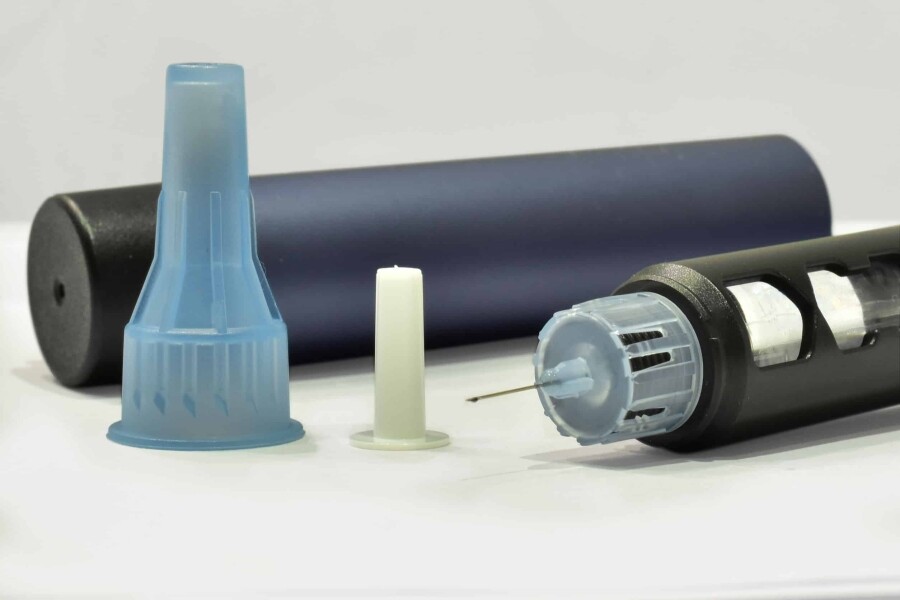
If your insulin pen suddenly stops working, won’t click, or feels impossible to push, it can be frustrating and a little alarming.
Issues like a jammed insulin pen or a syringe that is hard to push are more common than people think, especially with the increasing rate of diabetes patients in the United States.
The good news? Many of these problems have simple explanations, and in some cases, quick fixes.
In this guide, we’ll walk through why your insulin pen may not be working, how to troubleshoot it safely, and when it’s time to stop using the device and get help.

Why Is My Insulin Pen Hard to Push?
When your insulin pen won’t press or feels stuck, it can quickly turn into a stressful moment if you have diabetes, especially when you rely on it daily (as 115 million+ U.S. users do). Fortunately, many of these issues are easy to identify and sometimes just as easy to fix.
1. A Blocked or Faulty Needle
A clogged or bent needle is one of the most common reasons pens stop working.
- This can make the dose button difficult (or impossible) to press
- It may feel like the pen is jammed
In fact, manufacturers note that when the dose knob is hard to push, a blocked needle is often the issue, and replacing it can resolve the problem
2. The Pen Isn’t Primed Properly
If the pen hasn’t been primed, air bubbles can prevent insulin from flowing correctly.
This can lead to:
- No insulin coming out
- A pen that won’t click or feels stuck
3. The Pen Is Empty or Near Empty
Sometimes it’s not a malfunction at all.
If your pen runs out mid-dose:
- The dial may stop turning
- The button may feel stuck
For example, with Ozempic pens, if the counter stops before your dose, there isn’t enough medication left, and you’ll need a new pen
4. Internal Mechanical Issues
A true insulin pen spring not working or internal failure can happen, especially if:
- The pen has been dropped
- It was exposed to extreme temperatures
- There’s visible damage
5. Incorrect Injection Technique
Sometimes the issue isn’t the pen, but how it’s being used.
For example:
- Not pressing firmly enough against the skin
- Removing the pen too early
- Not fully pressing the button
These can make it seem like your insulin pen is jammed, even when it isn’t.
How to Fix a Jammed Insulin Pen
If you’re trying to figure out how to fix a jammed insulin pen, follow these steps:
1. Replace the Needle
Start here, as this solves many issues.
- Use a fresh needle (e.g., new Basaglar KwikPen needles)
- Make sure it’s attached securely
2. Prime the Pen Again
Priming helps remove air and confirms flow.
- Dial a small dose
- Press until you see a drop at the tip
3. Check for Blockages or Damage
Look for:
- Bent needles
- Cracks in the pen
- Leaking insulin
If anything looks off, don’t use the pen.
4. Try Pressing Slowly
If your syringe is hard to push, slowing down can help:
- Apply steady, gentle pressure
- Avoid forcing it
Forcing the pen can damage internal components or cause inaccurate dosing.
5. Confirm There’s Enough Medication
If the pen won’t dial or click:
- Check the dose window
- Switch to a new pen if needed
6. Don’t Force a Pen That Won’t Click
If you’re troubleshooting how to fix a pen that won’t click, remember: if it still doesn’t work after basic checks, stop using it.
Forcing a stuck pen can:
- Break the mechanism
- Deliver the wrong dose
- Increase risk of injury
Continuing to use a faulty pen may also mean you’re not getting the full dose of medication, which can impact your blood sugar control. If the issue persists, switch to a new pen and contact your pharmacist or healthcare provider for guidance.
Ozempic Pen Not Working or Malfunctioning
If your Ozempic pen is not working or you suspect a serious Ozempic pen malfunction, look for these signs:
- The dial won’t turn
- The button won’t press
- No medication is dispensed
- Unusual resistance or sounds
Common fixes include:
- Replacing the needle
- Re-priming the pen
- Checking if the pen is empty
If the issue continues, do not use the pen. Faulty devices should be reported, and in some cases, replacements may be available through the manufacturer.
Trulicity Pen Malfunction: What to Watch For
A Trulicity pen problem may look slightly different:
- The injection doesn’t complete
- The needle doesn’t deploy or retract
- The dose knob is difficult to press
If this happens:
- Try a new needle
- Confirm proper setup
- Do not attempt to force the injection
If the device fails, contact your pharmacy or provider for guidance or replacement options.
When It’s Not Safe to Fix It Yourself
Some situations require you to stop troubleshooting and get help:
- The pen is cracked or leaking
- You suspect internal failure
- The insulin looks discolored
- The device repeatedly fails
Manufacturers specifically warn that devices that are hard to press or not delivering medication may be defective and should not be used
What to Do Next
If your pen still isn’t working:
- Use a backup pen if available
- Contact your pharmacist or healthcare provider
- Reach out to the manufacturer for support or replacement
Never skip doses without medical guidance, especially if your medication is critical to blood sugar control.
Final Thoughts: Don’t Ignore a Jammed Insulin Pen
A jammed or malfunctioning insulin pen can interrupt your treatment and impact blood sugar levels.
While many issues are easy to fix, others require replacing the device entirely. The key is knowing when to troubleshoot and when to stop.
Need Help Affording Your Diabetes Medication?
If you’re struggling, not just with your device, but with the cost of your medication, Prescription Hope may be able to help.
Prescription Hope works to provide access to medications like insulin, Ozempic, and Trulicity through patient assistance programs, helping reduce the financial burden of ongoing treatment.
Learn more about how to get your medications at an affordable cost today.
