For many individuals living with depression, traditional antidepressants can provide meaningful relief. However, some people continue struggling with symptoms even after trying multiple medications and treatment approaches. This has led to growing interest in newer therapies, including ketamine therapy depression treatments.
In recent years, ketamine therapy for depression has emerged as a promising option for certain patients with treatment-resistant depression. Researchers and healthcare providers have explored how ketamine-based therapies may help reduce symptoms more quickly than some conventional antidepressants.
Although these treatments are not appropriate for everyone, they may offer hope for individuals who have not responded to standard approaches. Understanding how ketamine therapy works, what the treatment process involves, and the potential risks and costs can help patients make more informed decisions about their mental health care.
This guide explains ketamine-based depression treatments, including safety considerations, eligibility, and what patients should know before exploring this option.
What Is Ketamine Therapy for Depression?
Ketamine therapy for depression refers to the supervised medical use of ketamine-based medications to help manage symptoms of severe or treatment-resistant depression.
Ketamine was originally developed as an anesthetic medication in surgical and emergency medicine settings. Over time, researchers discovered that ketamine may also affect mood regulation pathways in the brain, leading to interest in its potential mental health applications.
Today, ketamine depression therapy is sometimes used for individuals who have not experienced adequate improvement with traditional antidepressants. Treatment may involve:
- Intravenous (IV) ketamine infusions
- Esketamine nasal spray treatments
- Structured clinical monitoring during administration
Unlike standard antidepressants that are typically taken daily at home, ketamine-based therapies are administered in supervised medical settings. This allows healthcare professionals to monitor patients during and after treatment sessions for safety and symptom response.
Because ketamine therapy involves specialized monitoring and evaluation, patients usually undergo careful screening. Healthcare providers assess medical history, psychiatric symptoms, and treatment history to determine the appropriateness of ketamine-based therapy.
How Ketamine Is Different from Traditional Antidepressants
One major difference in the discussion of ketamine vs antidepressants is how these treatments affect the brain.
Traditional antidepressants commonly target neurotransmitters such as:
- Serotonin
- Dopamine
- Norepinephrine
These medications may help regulate mood, but they often require several weeks before noticeable improvement occurs.
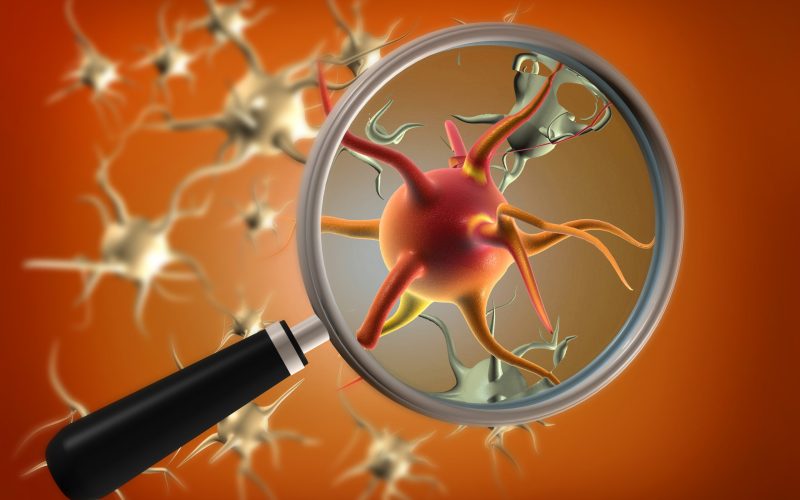
Ketamine works differently. Rather than primarily targeting serotonin pathways, ketamine affects the brain’s glutamate system. Glutamate is involved in communication between nerve cells and plays a role in mood regulation, learning, and brain plasticity.
Because of this different mechanism, ketamine may produce symptom relief more rapidly. Certain patients report improvement within hours or days rather than weeks.
Meanwhile, traditional antidepressants are usually prescribed for home use, while ketamine treatments require supervised clinical visits. Patients are monitored during treatment because temporary side effects such as dissociation, dizziness, or sedation may occur.
Ketamine therapy is generally considered when multiple traditional antidepressant treatments have not produced sufficient improvement, such as with treatment-resistant depression.
Esketamine vs Ketamine: What’s the Difference?
Understanding esketamine vs ketamine can help patients better navigate available treatment options.
Ketamine is often used off-label for depression treatment. “Off-label” means the medication is being prescribed for a condition outside its original FDA-approved indication.
Esketamine, however, is a modified form of ketamine that received FDA approval specifically for certain forms of treatment-resistant depression. Esketamine is marketed under the brand name Spravato.
When discussing ketamine vs esketamine for depression, several differences are important:
- Ketamine is commonly administered through IV infusions.
- Esketamine is delivered as a nasal spray.
- Esketamine is FDA-approved for specific depression-related uses.
- Ketamine clinics may vary in protocols and treatment approaches.
For patients seeking Spravato treatment explained information, the medication must be administered in a certified healthcare setting under medical supervision. Patients are monitored during and after treatment because temporary side effects may occur.
Accessibility and cost can also differ. Esketamine treatment may have insurance coverage in some cases due to FDA approval, while IV ketamine therapy may not always be covered by insurance plans.
Healthcare providers can help determine which option may be most appropriate based on symptom severity, medical history, and treatment goals.
How Quickly Does Ketamine Work for Depression?
One reason ketamine-based treatments have gained attention is the speed at which some individuals experience symptom improvement.
When discussing how fast ketamine works depression treatment, results may vary significantly. However, some individuals report noticing changes within hours or several days. While many traditional antidepressants often require several weeks before benefits become noticeable.
The rapid onset of ketamine’s effects may be particularly important for individuals with severe treatment-resistant depression or urgent symptom concerns. However, responses are not guaranteed, and not every patient experiences dramatic improvement.
It is also important to understand that ketamine’s effects may not be permanent after a single treatment session. Some individuals require:
- Multiple initial treatments
- Maintenance sessions over time
- Combination care involving therapy and other medications
Healthcare providers carefully monitor patient response and determine whether ongoing treatment is appropriate based on symptom improvement and safety considerations.
Who Is Eligible for Ketamine-Based Treatments?
Ketamine therapy eligibility is usually determined through a comprehensive medical and psychiatric evaluation.
These treatments are often considered for individuals with treatment-resistant depression, meaning symptoms have not adequately improved after trying multiple antidepressant medications or other standard treatments.
Healthcare providers may evaluate:
- Previous medication history
- Severity of depression symptoms
- Presence of suicidal thoughts
- Coexisting medical conditions
- Substance use history
- Other mental health diagnoses
Not everyone is considered an appropriate candidate for ketamine-based therapy. Certain medical or psychiatric conditions may increase treatment risks or require additional precautions.
For example, individuals with uncontrolled high blood pressure, active psychosis, or certain substance use disorders may need alternative treatment approaches.
The screening process helps healthcare providers determine whether ketamine therapy may offer more benefit than risk for a specific patient.
Patients should also understand that ketamine therapy is generally not considered a first-line treatment for mild depression. Instead, it is more commonly explored after standard therapies have not provided sufficient relief.
Is Ketamine Treatment Safe?
Questions about ketamine treatment safety are common, especially because ketamine affects perception, mood, and consciousness during treatment sessions.
When administered appropriately in certified medical settings, ketamine-based therapies are generally monitored closely for patient safety.
Common short-term side effects may include:
- Dissociation or feeling detached
- Dizziness
- Nausea
- Increased blood pressure
- Fatigue
- Temporary confusion
These effects are monitored during and after treatment sessions and often resolve within several hours.
Because ketamine can affect alertness and coordination temporarily, patients are advised not to drive after treatment appointments.
There are also important long-term considerations. Researchers continue studying the long-term effects of repeated ketamine use for depression treatment. Healthcare providers carefully weigh the potential benefits against possible risks before recommending therapy.
Receiving treatment from qualified professionals in certified centers is extremely important. Proper monitoring protocols help reduce risks and improve overall treatment safety.
Patients should discuss all medications, medical conditions, and mental health history with their provider before starting ketamine-based treatment.
What to Expect During Ketamine Therapy
Understanding the ketamine therapy process can help patients feel more prepared before beginning treatment.
Most treatment programs begin with a detailed pre-treatment evaluation. During this process, healthcare providers review medical history, current symptoms, medications, and previous depression treatments.
Treatment sessions vary depending on the type of ketamine therapy used.
For IV ketamine:
- Medication is administered through an intravenous infusion
- Sessions typically last around 40 minutes to an hour
- Patients remain seated or reclined during treatment
For esketamine nasal spray treatments:
- Medication is self-administered under supervision
- Patients remain in the clinic for monitoring afterward
During treatment, some individuals experience temporary changes in perception, relaxation, or dissociation. Healthcare staff monitor vital signs and patient comfort.
After treatment, patients usually remain under observation until side effects begin to subside. Most providers require patients to arrange transportation home.
Follow-up care is also important. Providers assess symptom improvement, side effects, and whether additional sessions may be beneficial as part of an ongoing treatment plan.
The Cost of Ketamine Therapy and Access Challenges
The ketamine therapy cost can be a major barrier for many patients considering treatment.
Ketamine infusion sessions can be expensive, especially because multiple treatments are often recommended during the initial phase of therapy. Costs may vary depending on:
- Treatment type
- Clinic location
- Number of sessions required
- Provider experience
The Spravato cost may also be significant, although insurance coverage may be available in some cases due to its FDA-approved status.
Unfortunately, insurance coverage for ketamine-based therapies remains inconsistent. Some insurance plans may cover portions of treatment, while others may not cover ketamine infusions at all.
Patients may also face additional expenses related to:
- Ongoing maintenance treatments
- Transportation to clinics
- Follow-up psychiatric care
Access limitations can also affect availability. Some regions may have few certified treatment centers, requiring patients to travel significant distances for care.
How Patients Explore Options to Afford Ketamine-Based Treatments
Many patients exploring affording ketamine therapy options begin by reviewing their insurance coverage carefully.
Because coverage policies vary widely, patients may benefit from contacting their insurance provider directly to ask:
- Whether ketamine or esketamine treatments are covered
- Which clinics are in-network
- What prior authorization requirements exist
- What out-of-pocket costs may apply
Healthcare providers and treatment clinics may also help patients understand available financial options.
Some clinics offer:
- Payment plans
- Financing programs
- Sliding-scale pricing
- Package discounts for multiple treatments
Patients should also discuss alternative treatment approaches with their healthcare provider if costs become overwhelming.
Delaying mental health treatment because of affordability concerns can sometimes worsen symptoms over time. Open communication with providers may help patients identify more accessible care strategies or supportive resources.
Individuals seeking help paying for depression treatment may also explore medication assistance resources and patient support programs that help reduce prescription-related costs.
How Patient Assistance Programs May Help with Medication Access
For individuals struggling with prescription affordability, patient assistance programs may help improve access to mental health medications and ongoing treatment support.
These programs are often sponsored by pharmaceutical manufacturers and designed to assist eligible individuals who face challenges paying for prescription medications.
Programs may help people who:
- Have limited insurance coverage
- Are uninsured
- Face high deductibles or copays
- Require long-term medication management
Support may include assistance with:
- Prescription medication access
- Reducing out-of-pocket medication costs
- Managing long-term treatment affordability
- Addressing insurance coverage gaps
Prescription Hope is a patient advocacy service that helps individuals access medications through available assistance programs. The service assists patients with enrollment, paperwork coordination, and ongoing support throughout the process.
For individuals seeking help paying for depression medication or searching for affordable mental health treatment, Prescription Hope may serve as a supportive resource alongside professional medical care.
However, it is important to understand that Prescription Hope is not a healthcare provider and does not replace diagnosis, psychiatric treatment, or medical supervision. Patients should continue working closely with qualified mental health professionals regarding treatment decisions and ongoing care.
Important Things Patients Should Keep in Mind
There are several important mental health treatment considerations patients should understand before pursuing ketamine-based therapy.
Ketamine therapy is generally not considered a first-line treatment for depression. Instead, it is usually explored after traditional medications and therapies have not provided adequate symptom relief.
Patients should also remember:
- Treatment requires medical supervision
- Costs and insurance coverage can vary significantly
- Individual responses differ
- Ongoing psychiatric care remains important
- Maintenance treatments may sometimes be needed
Because ketamine-based therapies continue to evolve, patients benefit from staying informed and discussing risks, benefits, and expectations thoroughly with qualified healthcare providers.
Conclusion: Is Ketamine Therapy the Right Option?
As research continues to evolve, ketamine therapy depression treatment remains an emerging option for certain individuals struggling with treatment-resistant depression.
For some patients, ketamine-based therapies may provide faster symptom relief than traditional antidepressants and offer hope after multiple previous treatments have failed. However, these therapies also require careful medical supervision, ongoing evaluation, and individualized treatment planning.
Anyone considering ketamine-based treatment should work closely with qualified healthcare providers to determine whether the therapy is appropriate for their specific needs and medical history.
Making informed decisions about mental health treatment is essential, especially when exploring newer therapies with unique risks and benefits.
If accessing or affording depression treatments is a concern, exploring patient assistance programs may help improve access to the care you need.