Pharmacy Closures: A Growing Concern for Patients
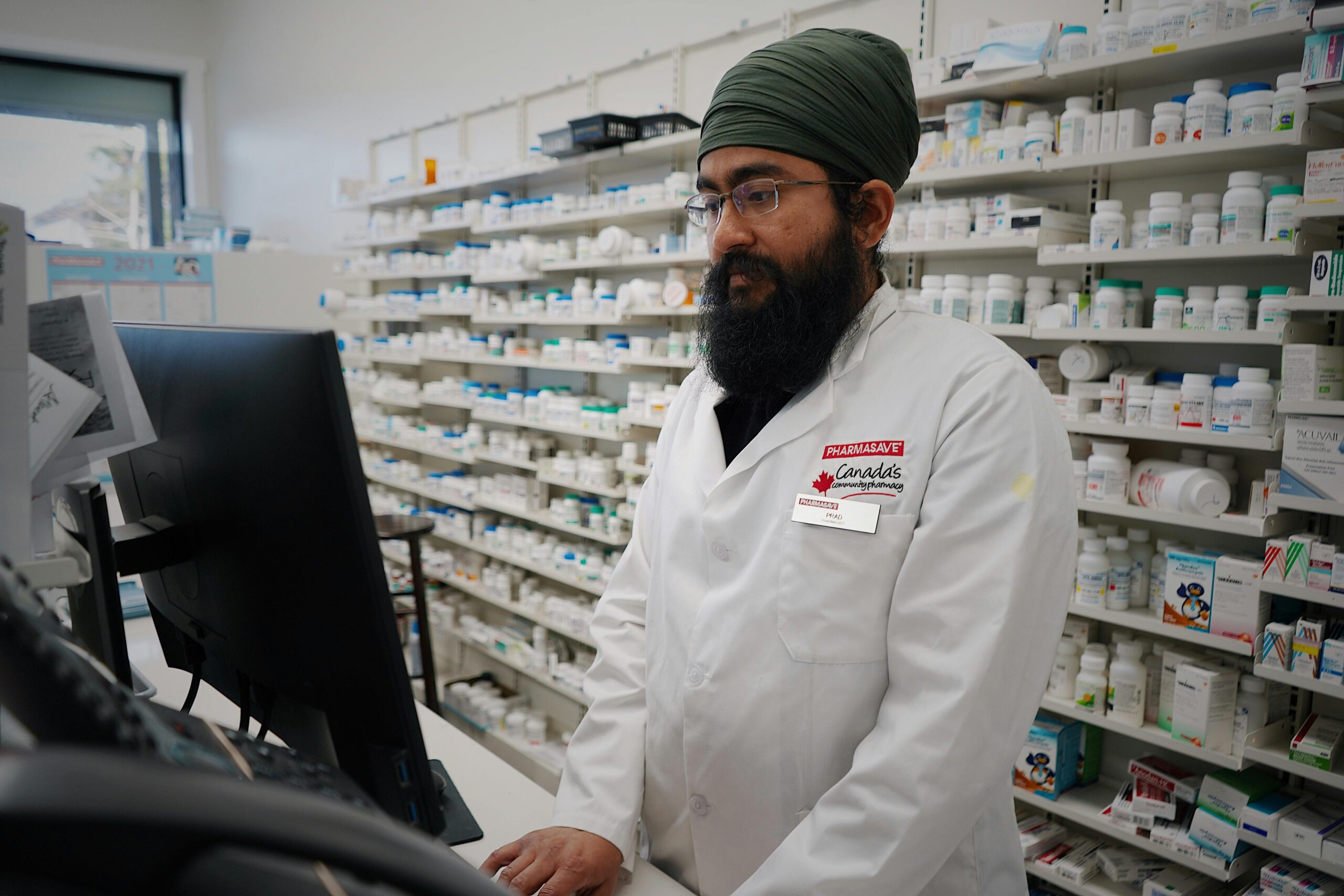
Patients across America are waking up and facing a scary reality: pharmacy closures. Sadly, their pharmacy may not be there tomorrow. For those with life-saving medication prescriptions and limited access to other pharmacies, the reality that their local pharmacy may close is cause for growing concern.
Sadly, pharmacy closures are outpacing new openings, resulting in a net reduction in the number of available brick-and-mortar pharmacies for consumers.
In late 2024, Walgreens announced it would shutter 1,200 underperforming locations across the US. Similarly, CVS announced in 2021 its plan to close between 1,170 and 1,200 stores between 2022 and 2026.
That means, in 2025 alone, nearly 770 stores were closed by Walgreens and CVS.
Worse yet are the scores of smaller, independent pharmacies that will close their doors in 2026.
Patients are commonly asking:
- How will I get my medication?
- Will I have to travel farther?
- What if I can’t afford new options?
While access to brick-and-mortar pharmacies is shrinking, new and expanding alternatives are making it easier and more efficient for patients to get the medications they need. Options such as online pharmacies, major retailers like Amazon launching their own pharmacies, and even growing advocacy organizations like Prescription Hope are helping alleviate the pain and fear many patients feel about access to their medication.
Why are pharmacies closing more often?
Some are wondering why pharmacies are closing and why the trend seems to be increasing.
What’s happening to community pharmacies?
Unfortunately, CVS and Walgreens aren’t the only pharmacies feeling the effects of a changing medication landscape and shifts in the general economy. With massive changes to programs like Medicare/Medicaid, the ACA, TrumpRx, and the Great Healthcare Plan announcement, independent and small-chain pharmacies and other health industry businesses are feeling the pinch of uncertainty.
Coupled with the pressure from online pharmacy options, and brick-and-mortars are losing market share.
As a result, retail turnover has become more common, even in familiar neighborhoods that rely on face-to-face relationships and long-term customer loyalty.
Why is this affecting patients?
With pharmacies facing rising costs and reimbursement challenges, they’re forced to pass some of those financial burdens onto their patients. And while some Americans may be able to cover those costs or handle the increase, many others are already feeling the pain of rising medication costs.
A 2025 GoodRx report stated that 27% of Americans leave their prescription unfulfilled due to costs. This unfulfilled rate includes 34% in Medicaid, 24% in Medicare, and 28% in commercial insurance.
Pairing lack of access with increased costs, it’s apparent why patients are concerned. Being able to discuss options with your local pharmacist can mean a difference of hundreds of dollars a month. Those without access to a familiar face may see shopping for lower-cost medication as overwhelming and simply stop taking their medication.
The rise of pharmacy deserts
A pharmacy desert is an area where residents do not have easy access to a local pharmacy. Those living in rural areas may have to drive 30 minutes or more just to reach their pharmacy, whereas senior citizens and low-income communities may be so burdened by the travel that they cannot reasonably reach a pharmacy.
Community pharmacy closures can affect an entire neighborhood, removing the option of an easily accessible method for tens of thousands of residents to get their prescription filled.
How pharmacy closures affect everyday patients
When a person finds a local pharmacy to fill their prescriptions, they enjoy a readily accessible way to get their medications reliably and on time. However, when a pharmacy closure happens, people are affected in several ways.
Longer travel and fewer options
Patients often have no alternative after their pharmacy closes. This means they may need to drive farther to find another pharmacy able to fill their prescription. This adds time, complexity, and difficulty, which can be too much for some who already struggle to travel.
It also means some patients need to rely on others more, placing the burden on caretakers. Difficult transportation issues can significantly affect seniors, caregivers, and the low-income community.
Delays in getting medications
Losing access to your pharmacy due to closures could lead to missed refills, increased costs, and a risk of medication non-adherence.
With 27% of Americans already not filling their needed prescriptions, the lack of access to pharmacies will most likely raise this percentage.
Long-term care and vulnerable populations
Those in nursing homes and assisted living centers are also at increased risk. While some homes and centers may provide medication delivery, the fact remains that strained access may affect reliability.
Couple this with larger travel burdens, and some seniors may be unable to get their needed medications on time.
Emotional stress and uncertainty
One factor resulting from pharmacy closures that some may overlook is the loss of a trusted pharmacist who provides high-quality patient care. As pharmacists get to know their patients, they understand their capabilities and limitations, as well as any complex health issues that may arise from a patient’s history.
Likewise, when prescriptions are transferred, a patient may not feel comfortable with the process and may have no one with expertise in the field to guide them. This can result in confusion, frustration, and anxiety for the patient.
The good news: more ways than ever to get your medication
Thankfully, other options do exist.
While the overall number of local pharmacies may be shrinking, alternative options do exist to help cover the gap.
Online pharmacies are expanding.
With the growth of options like online pharmacies, telehealth, and phone apps that help people get their prescriptions, the ability to access your medication from the comfort of your own living room is expanding.
This convenience comes with other benefits as well. Not only do patients now get to order their medication online and have it shipped to their door, but many online pharmacies also store order history and important information on a patient’s dashboard, giving them easy access to their medications and medical history.
Amazon Pharmacy and large retail options
Large retailers are getting in on the growing market for medication. Those companies include:
- Amazon
- Wal-Mart
- Kroger
- CVS
- Walgreens
Many of these larger retailers are dedicated to providing fast medication delivery directly to patients’ homes. In fact, as Walgreens and CVS continue to shutter stores, they will pursue expansion of their online pharmacy footprints and leverage the opportunity to ship medications directly to patients.
Some of these retailers even offer same-day or overnight prescription delivery.
Along with quicker delivery times and easier access, patients using online pharmacies enjoy transparent pricing for more of their medications, giving them the ability to clearly understand the price before they order or pay.
The online shopping experience also encourages price comparisons by allowing patients who struggle financially to seek out alternative options to fill their prescriptions.
Mail-order and subscription-based pharmacies
Mail-order and subscription-based pharmacies provide much of the same benefits as online retailers.
Many of them also included advantages such as automatic refills and monthly delivery options, making them powerful choices for those suffering from chronic or life-threatening conditions that rely on consistent medication deliveries.
Cost-focused alternatives for patients
For those who need generic medications, the prevalence of cost-plus pharmacy models offers hope.
These pharmacies use independent manufacturers to make generic medications, then simply charge a percentage above the cost of making the drug. Some charge 10% over cost, while others may charge 12 or 15%.
Each cost-plus pharmacy maintains relationships with specific manufacturers and most advertise quick delivery to your home or doctor’s office.
Patient advocacy organizations
Even though accessibility may increase with online options, the cost of brand-name medications often remains high. This is why organizations dedicated to helping Americans access lower-cost drugs can be so vital for those who struggle financially.
For instance, Prescription Hope offers access to brand-name medications by advocating on patients’ behalf with Patient Assistance Programs. These programs are designed to provide affordable medications to eligible individuals. Prescription Hope manages the application process, ordering, refills, and more for the patient. For a simple $70.00 per month, per medication, those who qualify receive their medication shipped directly from the manufacturer to their door or to their doctor’s office.
How to choose the right pharmacy alternative for you
Selecting the right pharmacy for your medication needs may involve research and asking the right questions. Some of the questions patients should ask when choosing the right pharmacy alternative include:
- Is the pharmacy licensed and legitimate?
- How long does delivery take?
- Are customer support and pharmacists accessible?
- Will my medication be affordable?
Just as importantly, be on the lookout for risky, dangerous, or unlicensed pharmacies or businesses that supposedly sell medications. Make sure the pharmacy offers proof that they are a licensed and accredited pharmacy. This may include:
- LegitScript
- BBB Accreditation
- Valid state licenses
- A licensed pharmacist
- Secure prescription verification
- Privacy/security measures such as SSL certificates
- VIPPS/NABP Accreditation
- HIPAA compliance
- Positive reviews or ratings on sites such as Google or Reddit
Conclusion: Patients still have options, even with pharmacy closures
Pharmacy closures are real. Sadly, across America, more pharmacies are closing, creating pharmacy deserts that patients must navigate.
However, other options do exist. Accessing online pharmacies that ship directly to your door or to your doctor’s office is becoming mainstream, and with same-day or overnight delivery, these pharmacies are positioned to help millions of Americans transition to a more efficient model.
Access may be changing, but your ability to get the medication you need doesn’t have to disappear with it.
If you’re struggling to afford your medication, then please enroll online with Prescription Hope. Our trained staff can quickly help you determine whether you qualify for access to your brand-name medication. If one affordability option cannot be applied, Prescription Hope keeps identifying other cost-saving resources. These may include discount cards, savings programs, alternative medication patient assistance programs, manufacturer coupons, discount programs, and other solutions.